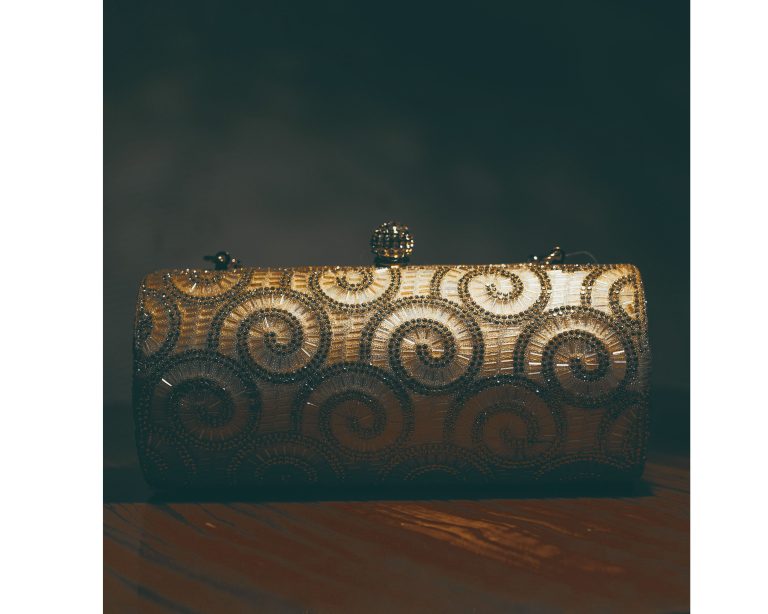
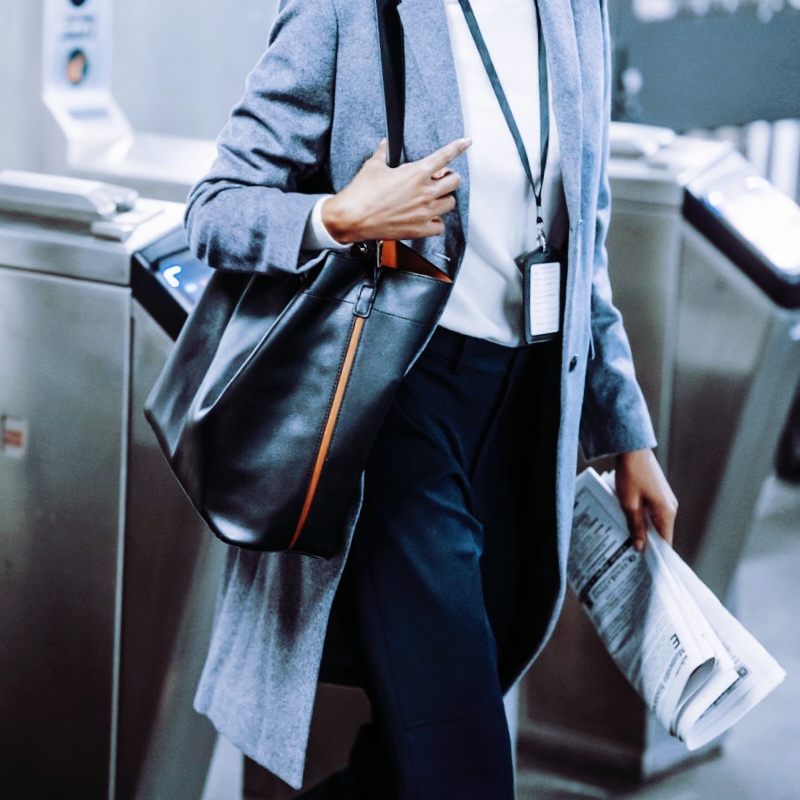
Picking the right bag for work is a bigger decision than it looks. It’s not just an accessory — it’s the thing that carries your laptop, your notebook, your lunch, your keys, and somehow still needs to look put-together in a 9 a.m. meeting. If you’ve ever dug through a bag looking for your badge while everyone waits at the elevator, you already know why this matters.Finding the best handbags for office use comes down to a mix of practicality and polish. You want something that holds everything you need for the day, keeps it organized, and still looks like it belongs in a professional setting. In this guide, I’ll walk through the styles that actually work for office life, how to pick one that fits your role and commute, and a few mistakes worth avoiding before you buy.
What Makes a Handbag Good for the Office?
A good work bag earns its place through function first, looks second — though the best ones manage both.
Here’s what separates a genuinely useful office bag from one that just looks nice in photos:
- Size that matches your daily load. Big enough for a laptop and files, but not so oversized it becomes a shoulder workout.
- Real organization. Pockets for your phone, cards, pens, and cables — not just one giant open space where everything sinks to the bottom.
- Durable material. Vegan leather, full-grain leather, or a sturdy nylon that can handle daily use, weather, and the occasional bump on public transport.
- Comfortable to carry. Padded straps or a handle that doesn’t dig in after twenty minutes.
- A professional silhouette. Clean lines and a structured or semi-structured shape tend to read as more “work-appropriate” than slouchy or heavily embellished designs.
If a bag checks these boxes, it’s already ahead of most trend-driven options.
Best Handbags for Office
Different work styles call for different bags. Here’s how the main categories stack up.
Tote Bags
Best for: Professionals who carry a laptop, documents, and daily essentials all at once.
Totes are the workhorse of office tote bags, and for good reason — the open-top design makes it easy to grab things fast, and most offer serious capacity. Look for a tote with an internal zip pocket and a laptop sleeve so your electronics don’t slide around loose.
Drawback: open tops mean less security for valuables unless the tote has a zip or magnetic closure.
Structured Handbags
Best for: Formal offices, client meetings, and workplaces with a polished dress code.
A structured bag holds its shape no matter how full it is, which gives it that crisp, professional look. These work well as professional handbags for roles where first impressions matter — think law firms, finance, or client-facing positions.
Drawback: structured bags are often less flexible in capacity than a soft tote.
Shoulder Bags
Best for: Daily commuters who want easy, hands-free access.
Shoulder bags balance comfort and capacity nicely. A wide, padded strap makes a real difference here, especially if you’re walking or standing for parts of your commute.
Drawback: Mid-size shoulder bags may not fit a larger laptop without a separate sleeve.
Satchel Bags
Best for: Professionals who want structure and organization together.
Satchels tend to have multiple internal compartments, which makes them one of the more organized stylish office bags on this list. The structured flap-and-buckle design also photographs and wears well for meetings.
Drawback: the classic flap closure can be slower to open than a zip.
Laptop Bags
Best for: anyone who carries a laptop or tablet every single day.
Purpose-built laptop handbags for women include a padded, separate compartment so your device doesn’t rattle around with your keys or water bottle. This is the safest choice if protecting your electronics is the priority.
Drawback: the padded compartment takes up space, so overall capacity can feel smaller than it looks.
Convertible Backpack
Best for: busy commutes, especially if you’re walking, cycling, or juggling public transport.
A backpack that converts into a handheld or shoulder bag gives you flexibility — hands-free on the commute, professional-looking once you’re at your desk or in a meeting.
Drawback: not every convertible style looks as polished in “bag mode” as a true tote or satchel.
Crossbody Bags
Best for: Lighter office days, quick errands, or hybrid schedules where you’re not carrying a laptop.
Crossbody bags are the most comfortable option for long days on your feet, but they’re not built for laptops or bulky documents.
Drawback: limited capacity makes this a secondary bag for most office needs, not a primary one.
How to Choose the Best Handbag for Your Office
A few honest questions will narrow this down faster than browsing endless product pages:
- What’s your dress code? Formal offices lean toward structured bags; creative or casual workplaces have more room for totes and crossbodies.
- Do you carry a laptop? If yes, measure it. A 13-inch laptop and a 15-inch laptop need very different bag interiors.
- What do you actually carry daily? Be realistic — notebook, charger, wallet, makeup bag, snacks. Pick a size that fits your real routine, not an idealized one.
- How do you commute? Walking or public transport favors crossbody or backpack styles; driving gives you more freedom to carry a structured tote.
- How’s your material tolerance? Genuine leather ages beautifully but needs care; vegan leather and nylon are lower-maintenance for daily wear.
- What’s your budget? A well-made mid-range bag will usually outlast a cheap trendy one by years.
- Does it match your personal style? You’ll use a bag more often if you actually like carrying it.
Expert tip: Try the “one week test” before buying — mentally pack everything you’d carry on your busiest day and see if it realistically fits the bag’s dimensions online. It saves a lot of returns.
Best Office Handbag Colors
Neutral tones remain the safest, most versatile choice for work handbags:
- Black – pairs with everything, hides scuffs well, the most universally professional option.
- Brown – warm and classic, works especially well with earth-tone outfits.
- Tan – softer than brown, adds a bit of lightness without being too casual.
- Beige – elegant and minimal, though it shows dirt faster than darker shades.
- Navy – a quiet alternative to black that still reads as professional.
Stick to one or two neutral bags for daily rotation, and save bolder colors for bags you use occasionally.
Office Handbag Comparison Table
| Handbag Style | Best For | Professional Look |
| Tote Bag | Laptop + daily essentials | High |
| Structured Handbag | Formal offices, meetings | Very high |
| Shoulder Bag | Daily commuting | High |
| Satchel Bag | Organization + style | High |
| Laptop HandBag | Laptop/tablet protection | High |
| Convertible Backpack | Busy, active commutes | Medium- High |
| Crossbody Bag | Light office days | Medium |
Common Mistakes to Avoid When Buying an Office Handbag
- Choosing a bag that’s too small and then overstuffing it, which stretches the material and strains the straps.
- Ignoring weight — a heavy bag feels fine empty in the store but painful after a full workday.
- Skipping organization and ending up with a bottomless-pit bag where nothing has a place.
- Overlooking strap quality — thin, unpadded straps dig in fast, especially with a loaded laptop compartment.
- Buying for trend over function, which often means the bag gets replaced within a season.
- Not checking laptop dimensions before assuming “laptop bag” means it’ll fit yours.
Expert Tips for Buying a Work Handbag
- Prioritize a laptop sleeve with padding, not just a slot — it makes a real difference in protection.
- Choose adjustable straps if you switch between carrying styles (hand, shoulder, crossbody).
- Test the zipper and hardware quality in person or read reviews carefully if buying online — this is where cheaper bags fail first.
- Keep one structured neutral bag for important meetings, even if your everyday bag is more casual.
- Look for a bag with a designated pocket for your phone and keys — you’ll thank yourself daily.
- Don’t ignore the base of the bag; a flat, sturdy bottom keeps it standing upright at your desk.
- Invest a little more in your everyday bag — it gets used far more than any other accessory you own
Frequently Asked Questions
What is the best handbag for office use?
A structured tote or satchel with a padded laptop compartment and multiple organizational pockets is generally the most practical all-around choice for office use.
What size handbag is best for work?
A medium to large size that comfortably fits a laptop, notebook, and daily essentials without overstuffing works best for most professionals.
Can I use a tote bag as an office bag?
Yes. Totes are one of the most popular office handbags for women because of their open capacity and easy access, especially for laptops and documents.
What color handbag is best for a professional look?
Neutral shades like black, brown, tan, and navy are the safest and most versatile for professional settings.
What is the best office handbag for carrying a laptop?
A dedicated laptop handbag or a tote with a padded laptop sleeve offers the best protection and organization for daily laptop carrying.
How do I choose a comfortable work handbag?
Look for padded or wider straps, a manageable weight even when full, and a size that fits your daily items without excess b
Conclusion
At the end of the day, the best handbags for office use are the ones that fit how you actually work — not just how a bag looks on a shelf. Whether that’s a structured handbag for client meetings, a roomy tote for laptop-heavy days, or a crossbody for lighter schedules, the right choice balances style, comfort, organization, and practicality.Before you buy, think through your dress code, your commute, and what you genuinely carry every day. Choose the bag built for your routine, and it’ll earn its spot on your shoulder for years, not just one season.